

The Role of HR in Driving Organizational Learning
 SFG•
SFG•
The Industrial Revolution was a pivotal shift that reshaped the world through ingenuity and innovation. This era witnessed an explosion of groundbreaking ideas that converged to drive extensive economic, social, and technological changes.
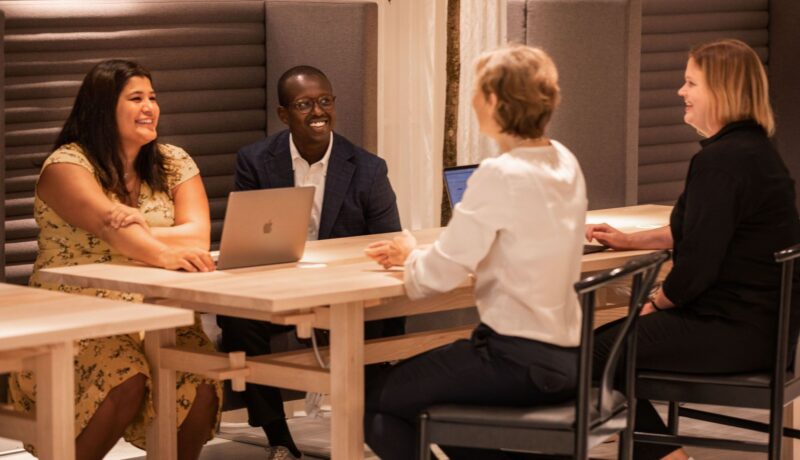
Building a Skills-Powered Organization
In today’s rapidly evolving world, where innovation, AI, and machine learning are reshaping industries, organizations face an urgent challenge: bridging the talent gap. HR professionals are uniquely positioned to drive this transformation by reskilling and upskilling the workforce, ensuring businesses remain competitive and agile.
The Case for Internal Mobility
One of the most powerful levers HR can pull is fostering a culture of internal mobility. It’s not just about filling roles; it’s about building a skills-powered organization that prioritizes long-term growth over quick fixes. Here’s a compelling question to consider: What’s the cost of hiring externally versus developing talent internally?
Studies consistently show that hiring externally can be 30% or more expensive than promoting from within. Beyond cost, internal advancement boosts retention and engagement, directly linking to higher productivity. Yet, many organizations default to external hires, citing a lack of future state skills.
The solution? Build the talent pipeline internally. It’s a strategic shift that pays dividends.
Understanding Reskilling vs. Upskilling
To effectively address workforce challenges, it’s crucial to distinguish between reskilling and upskilling:
- Reskilling is the process of learning new skills to transition into a different job or industry. It represents a more radical change, akin to a career pivot.
- Upskilling, on the other hand, is about learning new skills to improve or advance within one’s current job or industry. It focuses on deepening existing knowledge or adding new skills to one’s repertoire.
By integrating both strategies into Strategic Workforce Planning, HR can ensure the organization remains adaptable and future-ready.
Strategic Workforce Planning: The Bridge to the Future
Strategic workforce planning lies at the heart of preparing for tomorrow. It’s about identifying the critical and strategic roles that will drive the organization forward and ensuring alignment between current and future needs, especially as it pertains to talent/skills needs
Take the tech sector as an example. The rapid evolution of AI has disrupted computer engineering, leading to significant layoffs due to skill misalignment. This underscores the importance of aligning workforce skills with organizational strategy.
HR must act as Workforce Architects, designing comprehensive plans bridging the gap between the current and future state.
Scenario Planning: A Strategic Tool
One effective technique in strategic workforce planning is scenario planning. This approach involves analyzing real-world business scenarios and mentally positioning yourself as the Head of People Strategy. For example:
- What would my reskilling/upskilling strategy be in response to this headline?
- How would I align these efforts with organizational goals?
The LAMP (Logic, Analytics, Measures, Process) model is particularly useful here. HR can craft actionable strategies that resonate with the C-suite by focusing on logical frameworks, leveraging analytics, setting measurable goals, and streamlining processes.
Additionally, incorporating SWOT analysis into workforce planning provides a robust foundation. By evaluating strengths, weaknesses, opportunities, and threats, HR can build resilient and adaptable strategies.
Another technique is to develop your HRBP to create a SWOT approach to talent and skills for their clients [Marketing, Technology etc.]
Navigating Organizational Volatility: Playing Chess, Not Checkers
In an era of rapid change, industries are more volatile than ever. To succeed, HR must embrace a strategic mindset, always thinking several moves ahead—playing chess rather than checkers. This means staying in the strategic lane, anticipating future disruptions, and aligning workforce strategies with long-term business objectives.
Organizational needs are constantly evolving. HR is responsible for deeply understanding these shifts and providing people and skills-based solutions that drive business success. This strategic foresight ensures the organization remains ahead of the curve, not merely reacting to change but proactively shaping it.
HR as Business Leaders: The Workforce Architect’s Perspective
At the core of all these efforts is a fundamental mindset shift: HR must see itself as a business leader first and foremost. Our role is to design people strategies that close skills gaps, drive business outcomes, and empower organizations to thrive.
By acting as Workforce Architects, HR professionals align workforce strategies with business priorities, building a foundation for sustainable growth and innovation. It’s a position that requires a deep understanding of the workforce and the business landscape, ensuring every initiative is grounded in value creation.
The Bottom Line
Organizational learning is not a one-off project but a continuous journey. HR professionals must leverage every tool—from reskilling and upskilling strategies to scenario planning and SWOT analysis. By anchoring our work in strategic foresight and aligning our efforts with business goals, we can transform our organizations into skills-powered entities ready to navigate the challenges and opportunities of tomorrow.
Previous article: Career GPS: Steering Your Own Path
Related Posts

Comments are closed.





https://shorturl.fm/lEf7y